Beyond the Plate
What Nielsen's 2025 Study Says About Akshaya Patra, and Why It Matters
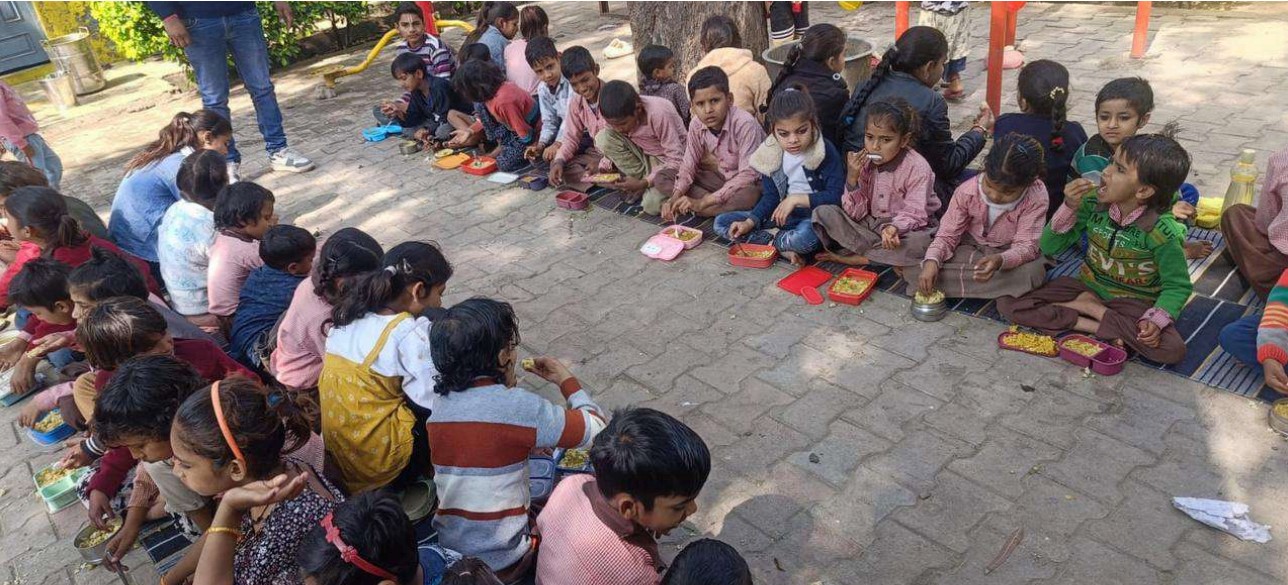
On a typical school day, the moment lunch arrives is easy to miss. A van pulls in, teachers keep the line moving, children settle with their plates. But Nielsen's 2025 impact report on Akshaya Patra's PM POSHAN work argues that this routine is doing far more than filling stomachs. It is shaping attendance, classroom focus, and even household stability, at a scale few programs can claim.
Who Is Being Reached
Behind that scale is the reality of who is being reached. Nielsen highlights communities where 75% of parents earn below ₹20,000 per month, making a dependable school meal more than a convenience; it is a daily safety net.
For families where 75% earn below ₹20,000 per month and 90% of parents haven't progressed beyond secondary school, this program serves as a critical lifeline.
What stands out in the study is how consistently students and educators link that meal to learning readiness. In Nielsen's survey results, 85% of students report better concentration after the meal, and 89% say they stay active during breaks, a proxy for energy that lasts beyond lunchtime.
Nielsen frames the meal as a motivator too, noting 93% of students cite the meals as a reason they feel excited to attend school.
What Teachers Are Observing
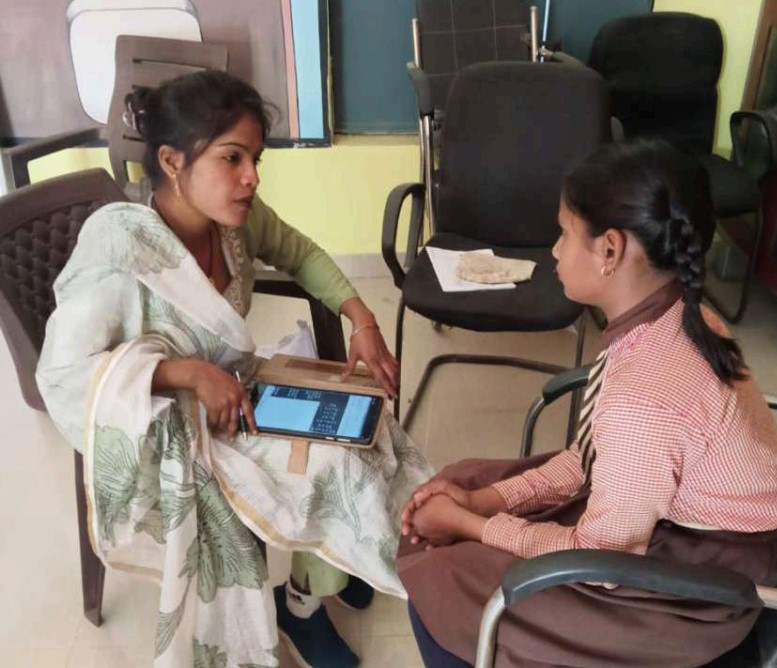
Teachers, meanwhile, describe impacts that donors often look for because they speak to long-term outcomes. Nielsen reports teacher observations of 78% increased enrollment, 86% increased attendance, and a 60% decrease in dropout rates under the program.
School Enrollment
Student Attendance
Dropout Rates
Student Focus
Operational Excellence
Reliability is a recurring theme, and Nielsen treats it as a core strength of Akshaya Patra's model. Timely delivery satisfaction is exceptionally high, shown as 96% among students and 99% among teachers and parents.
Food safety perceptions also land strongly, the report notes 95% satisfaction across stakeholders, even while pointing out a major constraint in the field: 80% of schools lack dedicated dining halls with proper seating arrangements.
In other words, the program's systems appear to be carrying quality standards into environments that are not built for large-scale meal service.
Health Indicators
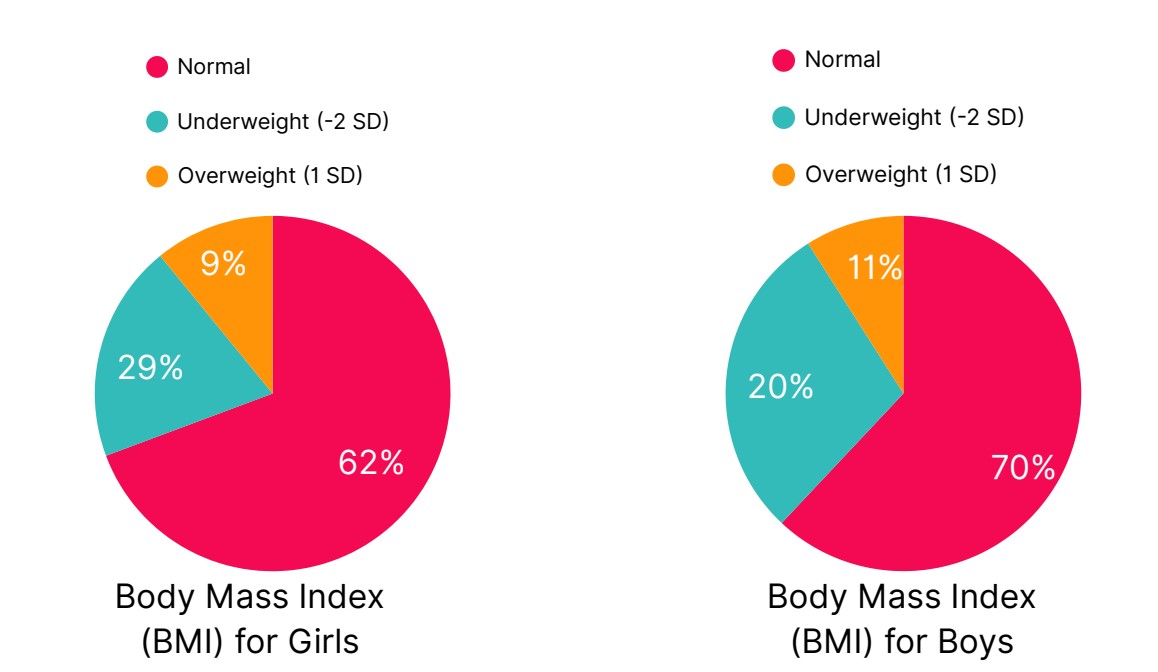
Nielsen also includes health indicators, adding a measurement layer to the story. Across the 10 states studied, the report notes BMI measurements for students aged 5 to 16, with 62% of boys and 70% of girls falling in the normal range, and Nielsen interprets this pattern as consistent with the benefits of regular access to hot, nutritious meals.
The Path Forward
Still, the report is not written as a victory lap. It reads like a map for where additional support can unlock the next set of gains. The most urgent gap is morning hunger. Nielsen flags that nearly 30% of parents report their children regularly miss breakfast, and it includes a school leader's plainspoken summary:
What Families Are Asking For Next
- Seasonal fruits (72% interest) – To enhance micronutrient intake and meal satisfaction
- Increased vegetable variety (63% interest) – Greater dietary diversity for better nutrition
- Adding curd (56% interest) – Support gut health and boost protein and calcium intake
These additions could strengthen the meal's micronutrient profile and overall satisfaction among students.
And there is a practical hygiene insight that reads like an immediate action item: while 96% of students report washing hands before meals, only 54% of schools provide soap or handwash regularly, which Nielsen calls out as a clear improvement opportunity.
More Than Just Meals
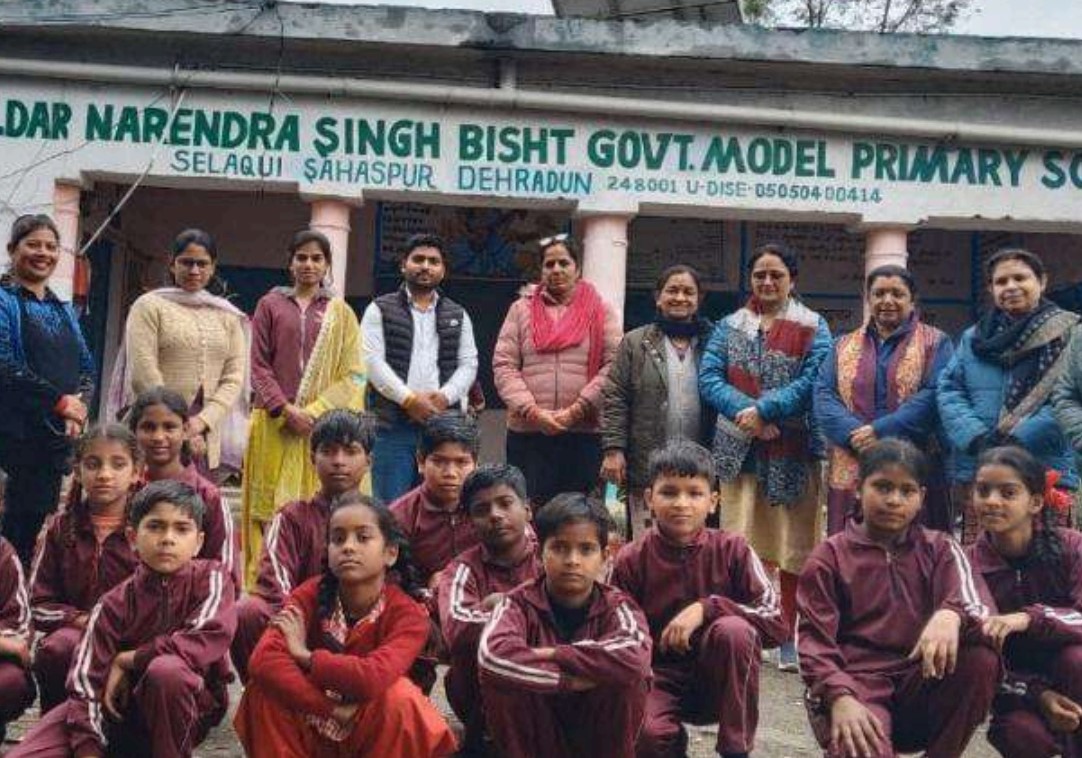
Taken together, the report presents Akshaya Patra as more than a meal provider. It portrays a high-performing delivery system that is already translating food into classroom outcomes, with measurable satisfaction, dependable operations, and encouraging signals on student well-being.
Just as importantly, it identifies concrete next steps that donors can understand at a glance: breakfast to close the morning gap, targeted nutrition additions like fruit and curd, and basic hygiene inputs like soap that protect health gains.
Making a Difference, One Meal at a Time
The Nielsen report shows that consistent, nutritious meals create ripples far beyond the lunch hour—influencing attendance, learning, and long-term educational outcomes for millions of children across India.